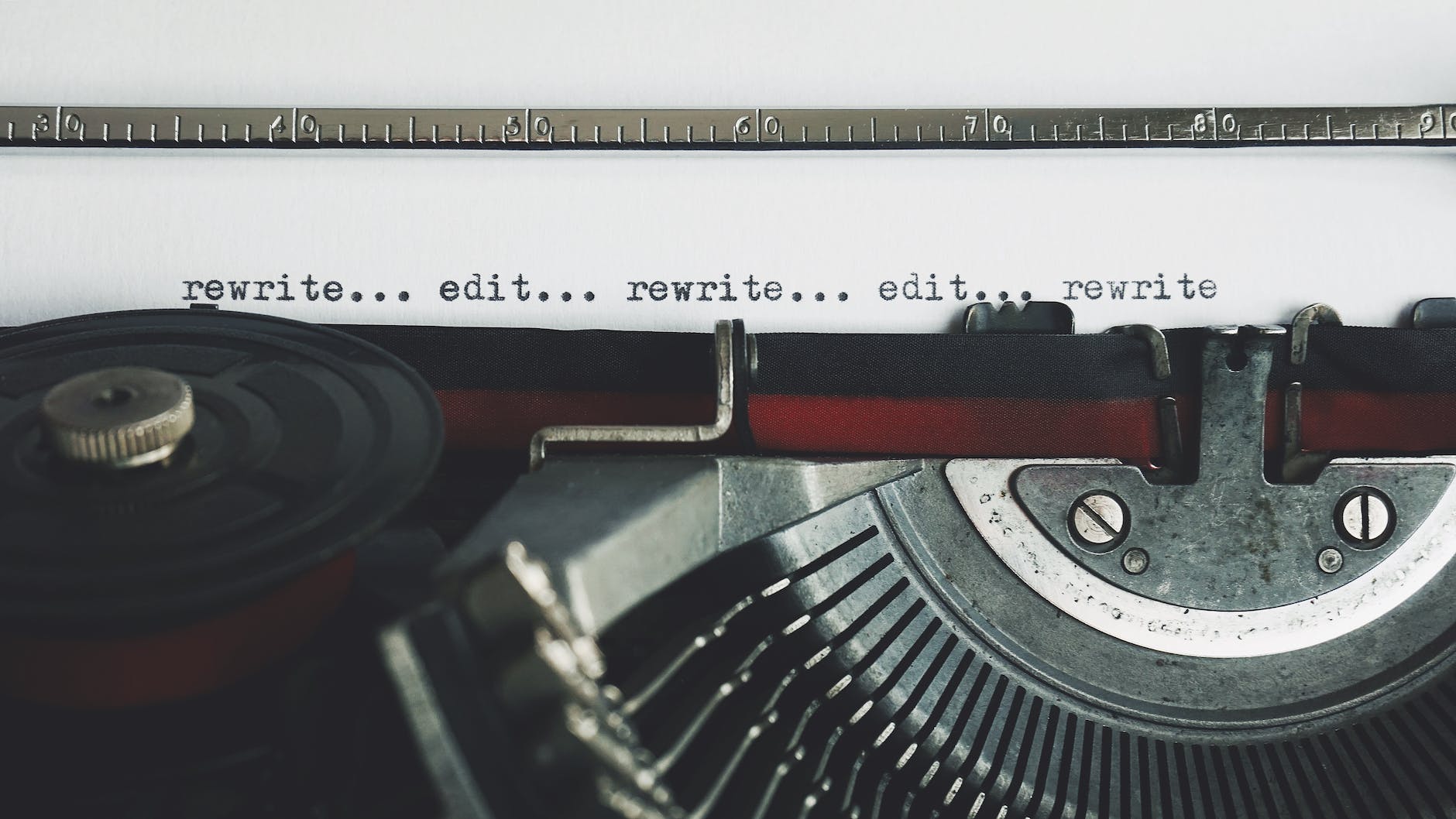
I came across a review on one my books where the reader commented that it needed editing. The author in me laughed and laughed. If only that reader knew how many rounds of edits and proofreads that book had been through before the publisher gave it the tick of approval. The editor in me paused to wonder what the intense rounds of edits and the final proofread had missed. Unfortunately the reviewer didn’t elaborate as to what they’d come across that didn’t meet the standard they’d expected. That would have been helpful to note for future edits.
There is a reason that the editing process is divided into four crucial stages, and (ideally) each stage should be carried out by a different editor. If you’re self-publishing, however, that can become a large investment for a (possibly) small return, especially as an aspiring or emerging author.
The truth is, no matter how many editing passes you put your manuscript through, there is a chance that there will still be errors. Let’s look at a 95% error detection success rate — this means that if an editor picks up 6,000 errors in a manuscript, at least 5% (300 errors) still remain. And that is the reason you should have fresh eyes on your manuscript at each stage of the editing process.
So, what can you do if you can’t afford a different editor for each stage? Here are some tips:
- Don’t be in a rush to publish your book. Allow plenty of turnaround time for each level of editing.
- Work with a critique partner who will help you polish those dirty drafts of your manuscript with constructive feedback.
- If you’re using one editor for the whole process, allow enough time between each stage for the edits to simmer and for the editor to see them with a clear mind and fresh eyes.
- Have your trusted beta readers read the book. Readers know what they’re looking for in a story, and they are darn good at picking up plot anomalies.
- Once you’re 100% sure you’ve done your best at putting the story together, send it to a proofreader for a final read. At this stage, the only changes that should be made are to punctuation, spelling and grammar. This is the final step and not the time to be making crucial changes to the plot or characters.
Need a quote or advice?
 Kees2Create Words