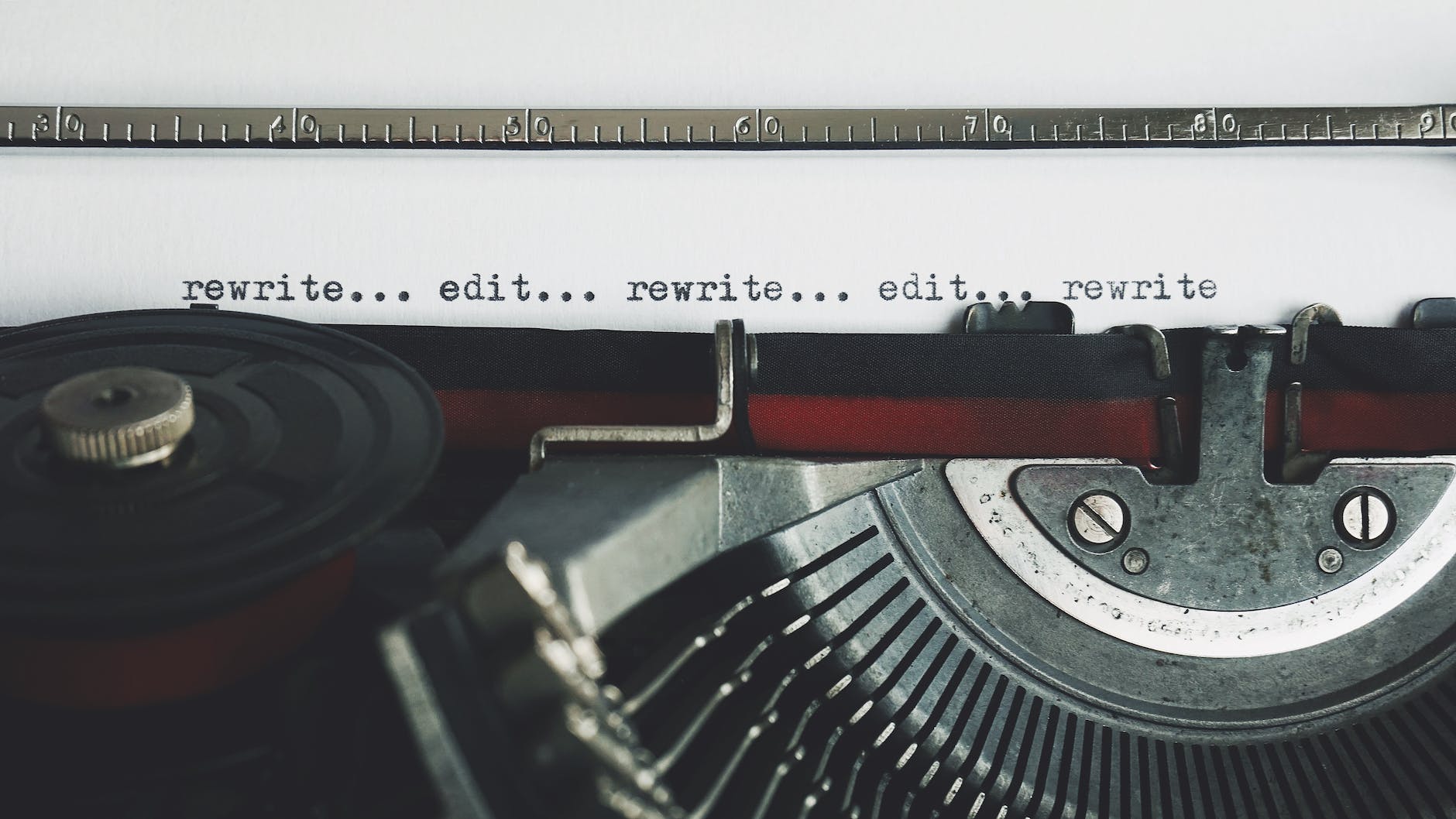
The rise of AI is a hot topic right now, so forgive me if I’m telling you something you already know. The news, the web, and social media are all scrambling over themselves to talk about it. But, here’s the thing. If you think AI is something new, you’re fooling yourself. It’s way too late to be up in arms about it now. Bear with me, keyboard warriors, you are currently using a computer and keyboard that replaced the old mechanical typewriter and all the humans that went with it!
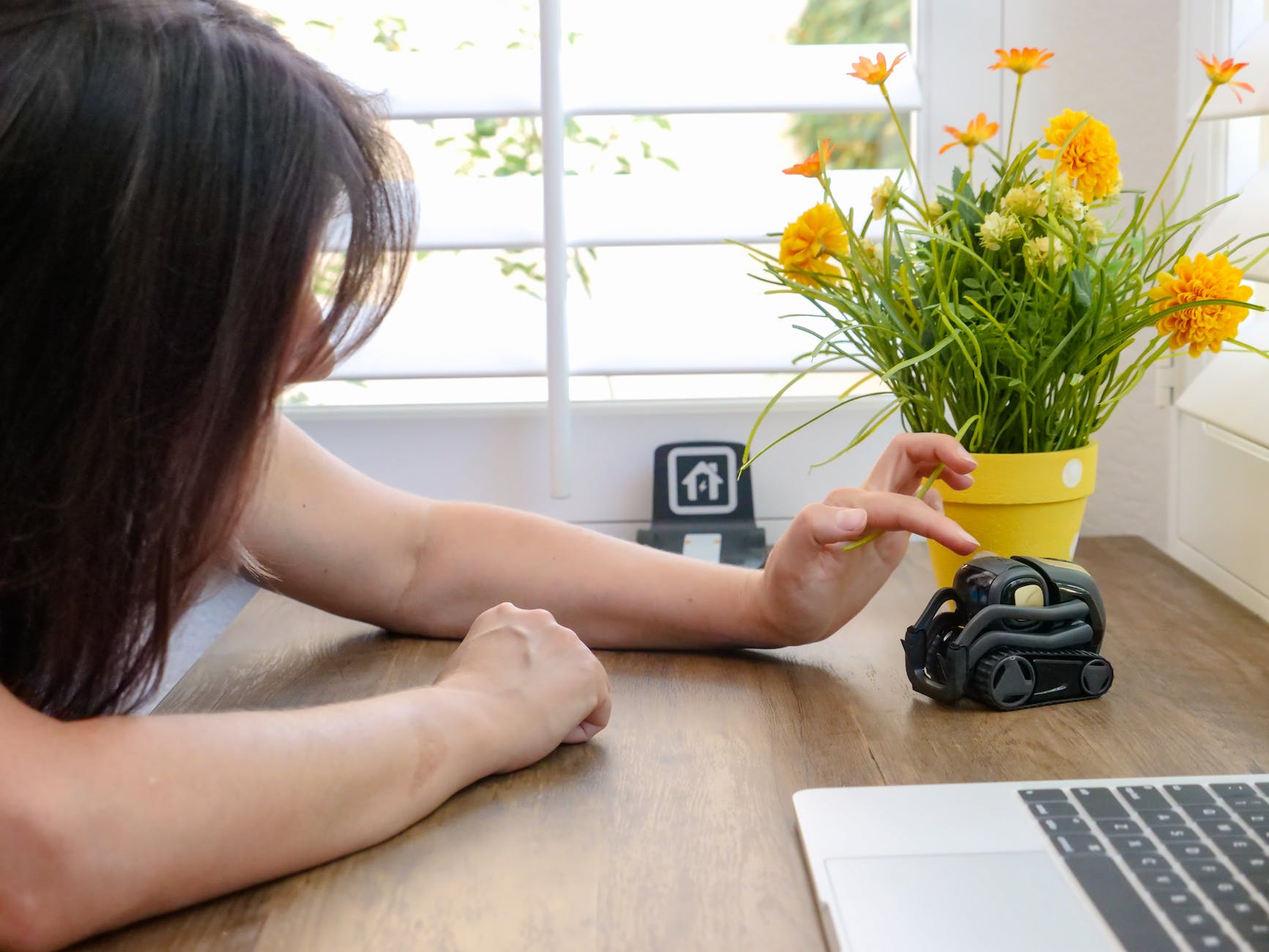
In 2035, technophobe Detective Spooner (aka Will Smith) met a murderous robot in the 2004 movie I, Robot. At the time, we all laughed at the ludicrous idea of a robot taking over the world. 20 years later? Well, hello AI! … Surgeons have been using robots in operating theatres for a while now. Way back in 1962, the excitement around space travel spawned decades of sci-fi inspired cartoons and movies. Remember Rosie (or Rosey as she was first known) the robot maid from The Jetsons? I bet a few of you out there have one in your home today, they just don’t look like Rosie. I know I have one. How else would I get the vacuuming and mopping done so I can write instead?
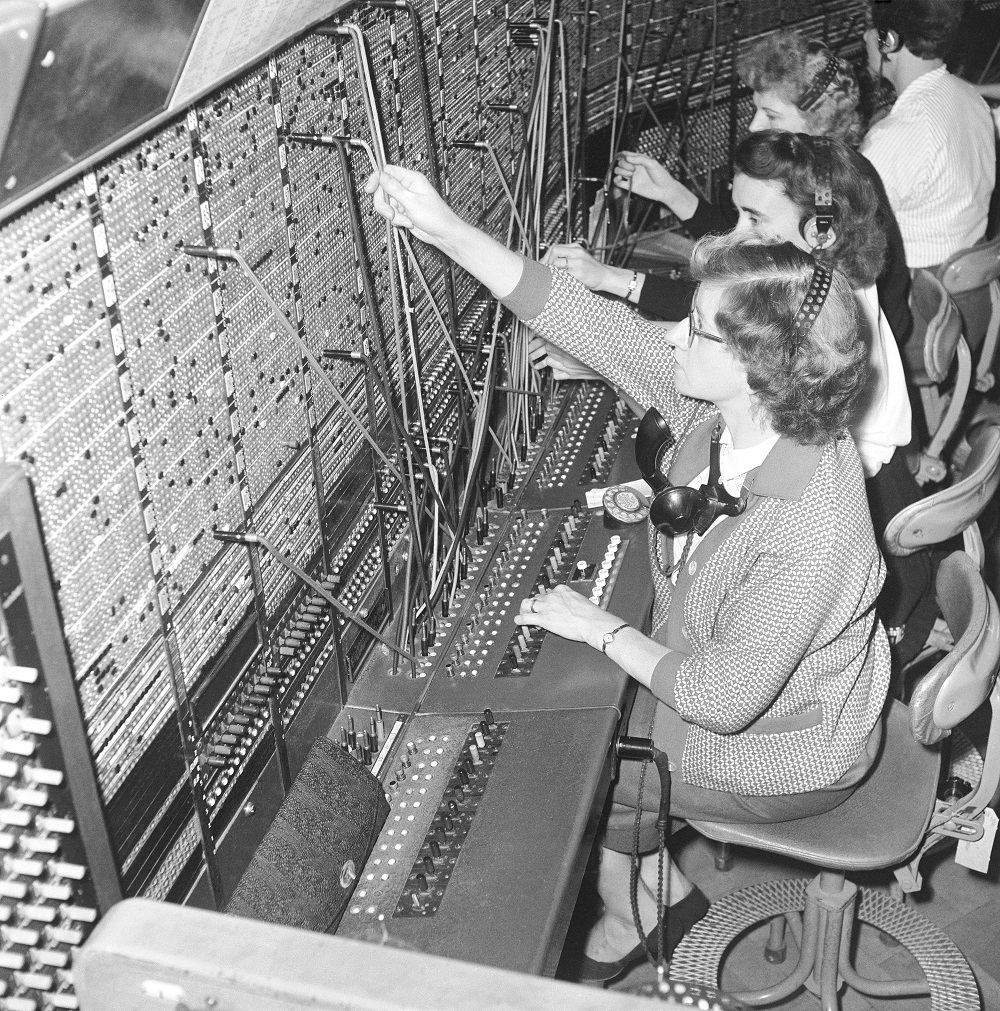
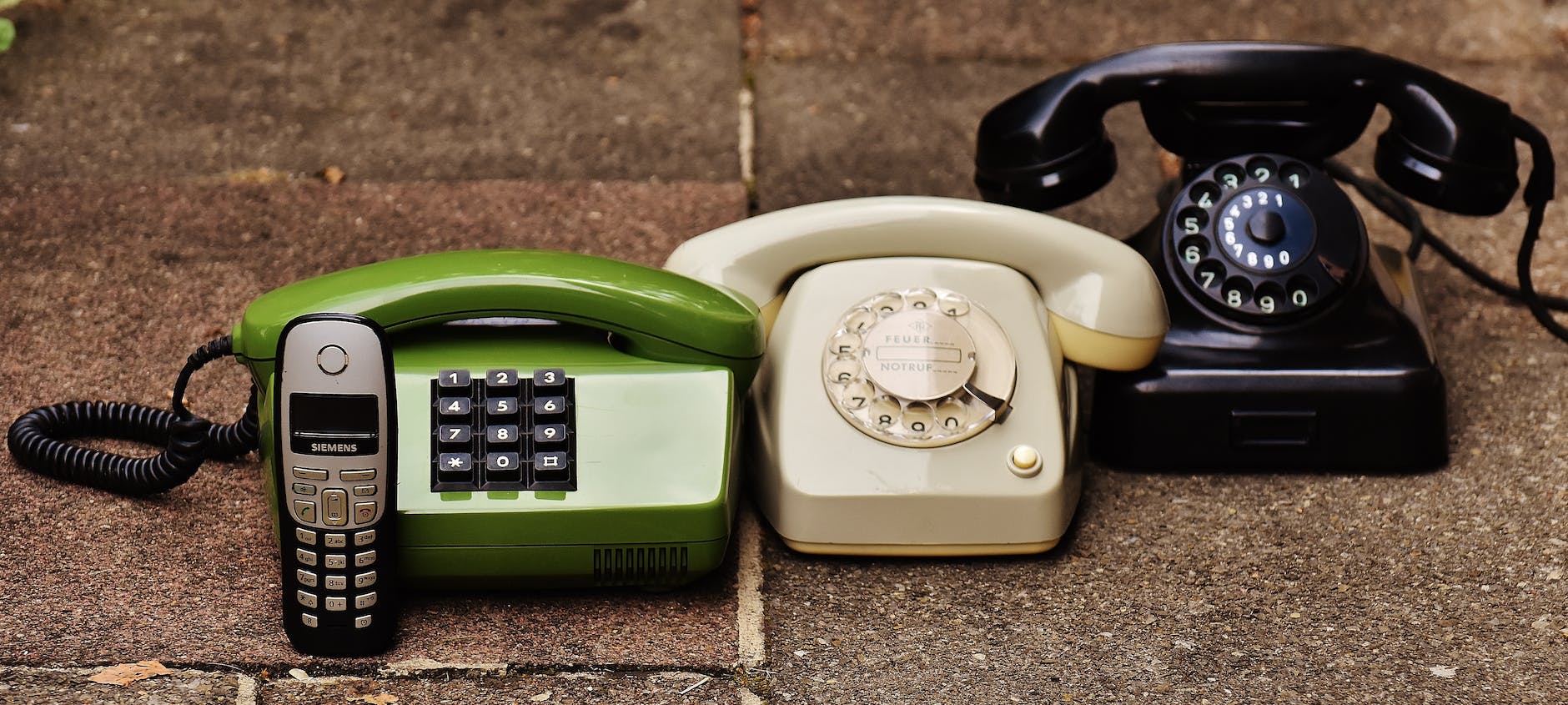
Let’s be honest here, Alexa and Siri have been listening in on our conversations ever since the invention of smart technology. Most of you have smartphones, right? Yep, they replaced the old cradle phone with the dial that used to catch your fingers or cut off the circulation in your hands as you twisted and twirled the cord around them, talking to your friend about the new boy or girl at school. And before that, when you made a call from the old crankhandle phone or farm line, telephonists were employed to sit behind an exchange switchboard and get all tangled up in cords as they allocated lines and transferred calls manually. The introduction of automated exchanges forced them all to go out and find a new career.
For years, smart technology has been gathering words, voices, information and personal details to grow this beast. How else do you think those Facebook ads magically appear just as you’ve been talking to your bestie about buying that new handbag you saw online? I could go on and name many examples of how AI is slowly replacing humans, but that would be boring. Just remember, every time you use a self-checkout, another human has to go out and find a new job.
Writers, editors, voice-over and cover artists are all staring down the barrel of losing their income as the AI revolution takes hold. But I’m not going to climb on that bandwagon right now. In his article on Substack today, Hamish McKenzie explores why AI is an opportunity for writers of the human kind. I read it, nodded a little, and cried a bit more because we cannot stop this from happening. There are powers out there driving this revolution that are bigger than the humble artists we are. At the risk of offending some readers, we are farting against thunder here. Our tiny voices are nothing but flatulence against the sonic boom of technological advancement. But that doesn’t mean we should give up on the war, we just need to choose our battles.
“A hot new startup that is riding the revolution might call itself Writer, but it will never have the writer’s heart. And that is where the opportunity of the next century is to be found.”
Hamish McKenzie – On News, Substack
Hamish, I couldn’t agree more! AI will grow and have it’s advantages just like all the technology that has made our lives easier, but it can never replace the human behind the story. If we all start writing and editing with AI, the market will become flooded with books and articles that all read the same, sound the same, and look the same. Use it as a tool for your writing, the same way you use your laptop or desktop or even your mobile phone, but it isn’t the final answer to writing and editing a good book. AI can imitate words, but the real heart of the story comes from you, dear human. And only a real editor can help you make a reader feel all the feels that a robot cannot. Besides, we still need humans to fix the robots when they breakdown or go rogue. AI still needs a human programmer to write the program that makes them work. And, as we experienced recently when a software update caused a machine meltdown at a phone and internet company (who shall not be named), crippling the world of communication, even AI has flaws that require a human touch to fix. Humans are not done yet.
 Kees2Create Words